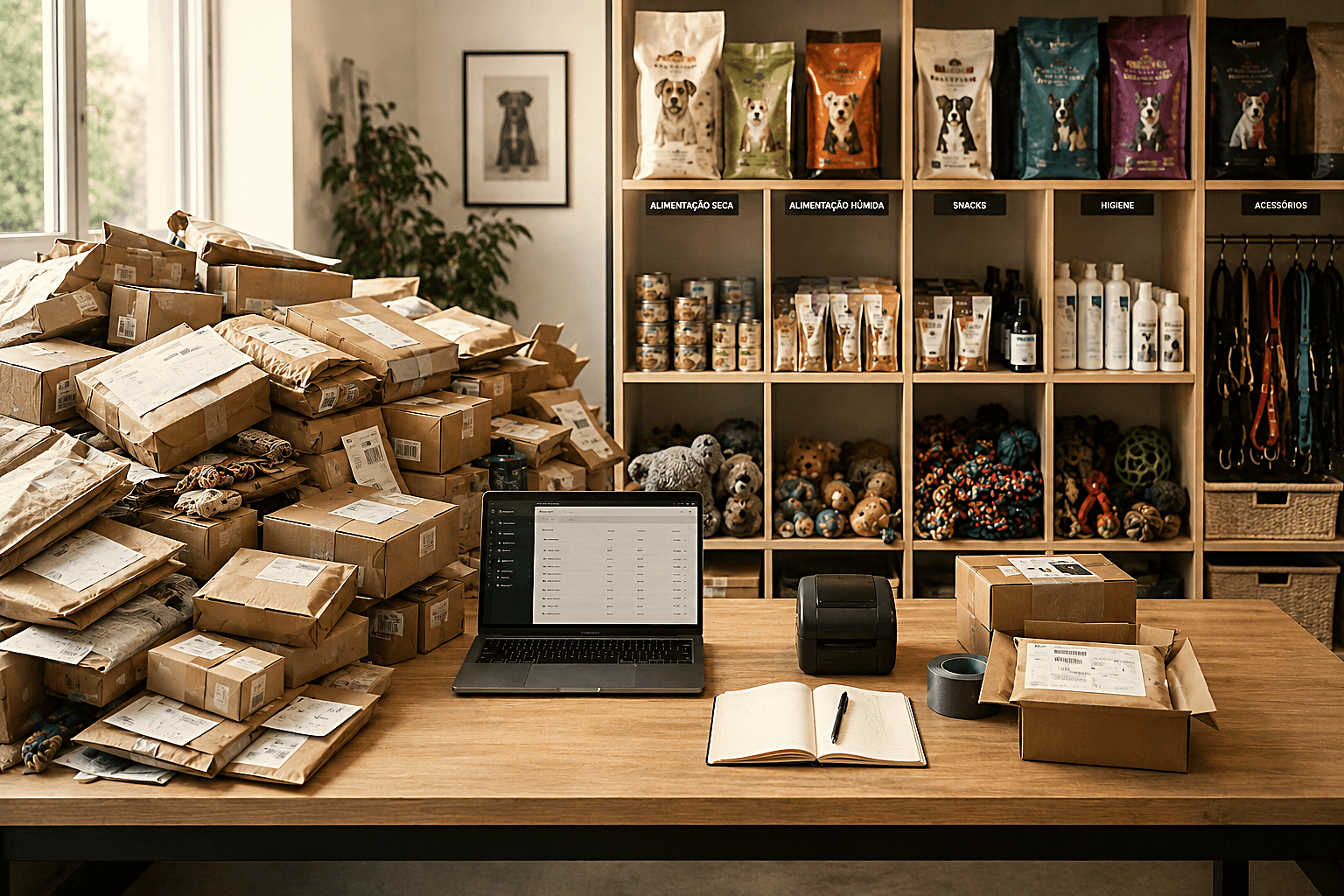
When the technology starts deciding what the business can do
A platform chosen to solve a small problem can, years later, become the reason a simple idea now requires technical workarounds. Recognizing the moment that happens is the first step.

A new campaign, an integration, an extra service — none of these ideas should start by asking "does the platform allow this?" But in a lot of businesses that have grown on the same technical foundation for years, that's exactly where it starts.
The platform was chosen at a stage when it solved everything that was needed. At the time, it was the right call. The problem isn't the original choice — it's the moment no one noticed the business had already outgrown it.
The signal is usually subtle
It doesn't show up as an obvious failure. It shows up as a "yes, but": yes, it's possible, but only with a technical workaround. Yes, it can be done, but not the way that made the most sense. Yes, but first someone technical needs to check if it's even feasible.
Each "yes, but" looks like a minor implementation detail on its own. Together, over months, they become the reason business decisions start getting filtered through the wrong question: not "does this make sense for the customer?" but "is this technically possible on our platform?"
What usually happens first
- One-off technical workarounds get built for each new need, one at a time
- The team learns not to propose certain ideas, because it "knows" the platform won't allow it
- Each accumulated workaround makes the next request even more expensive to implement
None of these steps is, on its own, a mistake. It's how most businesses survive in the short term — solving what comes up, one workaround at a time. The cost only becomes visible once it adds up: a platform that no longer supports growth, just tolerates it with increasing effort.
What this reveals
The problem is rarely the platform itself. It's the moment no one went back to ask whether it still serves the business that exists today — not the one that existed when it was chosen.
A platform stops serving the business the day every new idea starts by asking what it allows, instead of what the business needs.
Recognizing this moment doesn't mean switching platforms right away — sometimes it does, other times it means reorganizing what already exists. But it requires, first, admitting the question has stopped being about technology and started being about how far the business is willing to let itself be limited by a decision made years ago.
Does every new idea start by asking what the platform allows?
If you feel like technology is dictating decisions that should be business decisions, it's worth understanding where that's happening before deciding what to change.